Monday, August 15, 2011

Raging Storms and Rising Seas Swelling the Ranks of Climate Refugees

In late August 2005, as Hurricane Katrina approached the U.S. Gulf Coast, more than 1 million people were evacuated from New Orleans and the small towns and rural communities along the coast.


Once the storm passed, it was assumed that the million or so Katrina evacuees would, as in past cases, return to repair and rebuild their homes. Some 700,000 did return, but close to 300,000 did not. They are no longer evacuees. They are the first large wave of modern climate refugees.

One of the defining characteristics of our time is the swelling flow of environmental refugees, including those displaced as a warmer climate brings more-destructive storms and rising seas. The prospect for this century is a rise in sea level of up to 6 feet. Even a 3-foot rise would inundate parts of many low-lying cities, major river deltas, and island countries. Among the early refugees will be millions of rice-farming families from Asia’s river deltas, those who will watch their fields sink below the rising sea.

The flow of rising-sea refugees will come primarily from coastal cities. Among those most immediately affected are London, New York, Washington, Miami, Shanghai, Kolkata (Calcutta), Cairo, and Tokyo. If the rise in sea level cannot be checked, cities soon will have to start either planning for relocation or building barriers that will block the rising seas.

River deltas contain some of the largest, most vulnerable populations. These include the deltas of the Mekong, Irrawaddy, Niger, Nile, Mississippi, Ganges-Brahmaputra, and Yangtze Rivers. For example, a 6-foot sea level rise would displace 15 million Bangladeshis living in the densely populated Ganges-Brahmaputra delta. The London-based Environmental Justice Foundation reports that “a one meter [3 foot] sea-level rise would affect up to 70 percent of Nigeria’s coastline affecting over 2.7 million hectares. Egypt would lose at least 2 million hectares in the fertile Nile Delta, displacing 8 to 10 million people, including nearly the entire population of Alexandria.”

Low-lying islands will also be hit hard. The 39 members of the Alliance of Small Island States stand to lose part or all of their territories as sea level rises. Among the most immediately threatened are Tuvalu, Kiribati, and the Marshall Islands in the Pacific Ocean and the Maldives in the Indian Ocean. Well before total inundation, islanders face salt water intrusion that can contaminate their drinking water and make it impossible for deep-rooted crops to survive. Eventually, all crops will fail. More >>>

Location: Cayman Islands

Sunday, August 14, 2011

On thin ice

The Arctic — a mosaic of oceans, glaciers and the northernmost projections of several countries — is a place most of us will never see. We can imagine it, though, and our mental picture is dominated by one feature: ice.


Yet the Arctic sea ice is changing dramatically, and its presence shouldn’t be taken for granted, even over the course of our lifetimes. According to new research from MIT, the most recent global climate report fails to capture trends in Arctic sea-ice thinning and drift, and in some cases substantially underestimates these trends. The Intergovernmental Panel on Climate Change (IPCC) Fourth Assessment Report, released in 2007, forecasts an ice-free Arctic summer by the year 2100, among other predictions. But Pierre Rampal, a postdoc in the Department of Earth, Atmosphere, and Planetary Sciences (EAPS), and colleagues say it may happen several decades earlier. More >>>

Location:Cayman Islands

Tuesday, August 9, 2011

SIDS DOCK Launched to Catalyze Renewable Energy

3 August 2011: The Alliance of Small Island States (AOSIS) has announced the launch of SIDS DOCK, an international organization intended to catalyze sustainable energy projects in small island developing States (SIDS).


With US$14.5 million in funding from Denmark's parliament, SIDS DOCK will operate as a "docking station," connecting small islands with US and EU technologies, capital and carbon markets. SIDS DOCK is expected to be operational by September 2011.

According to Vince Henderson, Dominica's Ambassador to the UN, and Chair of the SIDS DOCK Steering Committee, the majority of small islands currently rely on fossil fuel imports and face growing debt as a result. In order to "radically transform" their economies, SIDS DOCK was developed jointly by AOSIS, the Caribbean Community Climate Change Centre (CCCCC) and the Secretariat of the Pacific Regional Environment Programme (SPREP). SIDS DOCK will be led by an Executive Director and overseen by a Board of Directors, including AOSIS members, development partner organizations and technical experts. The organization also will partner with the World Bank and UN Development Programme (UNDP).

National Coordinators of SIDS DOCK will be responsible for coordinating the development of national, regional and inter-regional priorities in renewable energy, energy efficiency and conservation projects, and for ensuring successful project coordination and outcomes. The first meeting of the SIDS DOCK National Coordinators, held from 27-28 July 2011, served as the launch.

According to AOSIS, SIDS DOCK aims to facilitate the development of a sustainable energy sector in small islands, providing the foundation for low carbon economic growth and adaptation to climate change, with the result of assisting small islands to generate at least 50 percent of their electric power from renewable sources, decrease petroleum use by 20 to 30 percent, and increase energy efficiency by 25 percent (using a 2005 baseline) by 2033.
More >>>

Location: Cayman Islands

Sunday, August 7, 2011

Managing Contraction, Redefining Progress

Only a crisis—actual or perceived—produces real change. When the crisis occurs, the actions that are taken depend upon the ideas that are lying around. That, I believe, is our basic function: to develop alternatives to
existing policies, to keep them alive and available until the politically impossible becomes politically inevitable.
—Milton Friedman (economist)


Many analysts who focus on the problems of population growth, resource depletion, and climate change foresee gradually tightening constraints on world economic activity. In most cases the prognosis they offer is for worsening environmental problems, more expensive energy and materials, and slowing economic growth.

However, their analyses often fail to factor in the impacts to and from a financial system built on the expectation of further growth—a system that could come unhinged in a non-linear, catastrophic fashion as growth ends. Financial and monetary systems can crash suddenly and completely. This almost happened in September 2008 as the result of a combination of a decline in the housing market, reliance on overly complex and in many cases fraudulent financial instruments, and skyrocketing energy prices. Another sovereign debt crisis in Europe could bring the world to a similar precipice. Indeed, there is a line-up of actors waiting to take center stage in the years ahead, each capable of bringing the curtain down on the global banking system or one of the world’s major currencies. Each derives its destructive potency from its ability to strangle growth, thus setting off chain reactions of default, bankruptcy, and currency failure. More >>>

Location: Cayman Islands

Thursday, August 4, 2011

The World Needs a New Language

We know it is dangerous to cross a red light, so we wait until it turns green.


We do not go out sailing when the weather forecast promises a great storm. We accept it when a doctor tells us to take medicine to prevent hypertension.

We do not drink the water if there is sign saying that it is contaminated. We are constantly accepting different potential risks and manoeuvring to limit them.

But when it comes to climate change, our willingness to accept it as a potential great risk is missing - and so is our motivation to respond to it with our normal risk-behaviour.

97 percent of the climate scientists believe global warming is happening, that humans are largely responsible and that we need to take action now. From their perspective there is a mountain of evidence on the reality of climate change; the nearest thing to an open-and-shut case that scientist can produce. They are constantly trying to convince us -- the public -- of this fact.

But still the concern shared by almost every scientist is not concurrent with the general public opinion. 44 percent of Americans still believe that global warming is primarily caused by planetary trends, according to a poll from Rasmussen Reports conducted in April. And 36 percent do not believe climate change is a serious problem.

Thus we are currently witnessing an enormous reality gap between science and the public -- with very different perceptions of the risks posed by climate change.

If scientists could solve climate change on their own, the lacking public support wouldn't be a problem. But they can't. Without the endorsement from the general public, the fight against climate change does not stand much of a chance. More >>>

Location: Cayman Islands

Tuesday, August 2, 2011

UNGA Debate on Right to Water Highlights Impact of Climate Change

27 July 2011: The UN General Assembly (UNGA) held a debate on the human right to water and sanitation, during which a number of speakers highlighted that climate change constitutes an obstacle to the enjoyment of this right, stressing the particular situations of small island low-lying States.


The debate took place on 27 July 2011, at UN Headquarters in New York, US. In his opening address, Joseph Deiss, UNGA President, recalled that, in July 2010, the General Assembly adopted a resolution on the human right to water and sanitation, which he said was an important first step towards the explicit acknowledgment of that resource as a human right.

Egypt said States must take all necessary measures to extend human rights, including the right to clean water and sanitation. He added that Egypt’s efforts were challenged by funding, climate change, population growth and other factors, and indicated that his Government had adopted an integrated national plan to address these challenges. Senegal stressed the need to address climate change and drought in order to achieve the right to water, calling for increased assistance.

Cuba called for enhanced cooperation in the face of climate change, calling for the creation of mechanisms that are not dependant on the international financial institutions.

Saint Vincent and the Grenadines expressed support for the UNGA resolution by which the Assembly had recognized the right to water and sanitation as a human right. He underlined that his country's achievements in terms of ensuring the realization of that right, considering its limited resources, illustrate the importance of political will. He emphasized the urgency of “looming threats” to achieving the right to water, namely climate change and desertification. He added that his country often resorts to transporting water by ship and said sea-level rise would have a disastrous effect. He concluded by calling for mainstreaming the issue in the global agenda.

Maldives explained that her country's main source of water is shallow groundwater, underscoring its extreme vulnerability to water scarcity. She called for considering the legally binding right to water in the context of sea-level rise, climate change, and other critical phenomena. More >>>

Location: Cayman Islands

Saturday, July 30, 2011

Scholarships and Bursaries Call for Caribbean Nationals in Graduate Studies in Climate Change


Scholarships and Bursaries Call for Caribbean Nationals in Graduate Studies in Climate Change

Study areas related to Climate Change that can be considered for these Scholarships and Bursaries are:
Climatology; Environmental Sciences; Coastal Management; Water Resources; Sustainable Tourism; Gender Studies


The CARIBSAVE Partnership, the University of the West Indies (UWI) and the University of Waterloo (UW), Canada, announce a joint research project entitled:


Partnership for Canada-Caribbean Community Climate Change Adaptation (ParCA)*

Students’ scholarships and bursaries will focus on ParCA; a project that will conduct comparative case study research in Tobago, Jamaica and two Atlantic Canadian provinces. The project will use a community-based vulnerability assessment (CBVA) framework in collaboration with coastal communities and local partners to identify vulnerabilities and exposures, and develop strategies for adaptation to climate change. Under this program, funding is available for Caribbean Nationals to study at the University of the West Indies or the University of Waterloo at Masters and PhD levels.

ELIGIBILITY for Scholarships and Bursaries

Must be a Caribbean National
Must have successfully completed an undergraduate or graduate degree at a high level in an area relevant to Climate Change including Climatology, Environmental Sciences, Coastal Management, Water Resources, Sustainable Tourism, Gender Studies.
Must have been accepted and registered in a Masters or PhD Programme at UWI or UW.
Evidence of professional experience in any of the fields indicated above will be an asset.
Applicants for Scholarships and Bursaries will be assessed by a Selection Committee established by the University of the West Indies, the University of Waterloo and The CARIBSAVE Partnership.

HOW TO APPLY:
Applications should be sent via email to The Office of Research, The University of the West Indies: pvcresearch@admin.uwi.tt and must be copied to The CARIBSAVE Partnership: hr@caribsave.org When applying please include ‘ParCA’ as Subject in the email.

The following should be included in your Application: an up to date Curriculum Vitae; a covering letter indicating qualifications; professional experience; preferred study location (UWI Campus or Waterloo); your area of interest for graduate studies and full contact details for three Referees. Closing date for this round of applications is 31 August 2011.

* Funding for this project and its student scholarships and bursaries is kindly provided by the Canadian IDRC and the Tri Council and disseminated through The CARIBSAVE Partnership, The University of Waterloo and The Unversity of the West Indies. More >>>

Location: Cayman Islands

Thursday, July 28, 2011

An effective response to climate change

Foreign Secretary William Hague has delivered a speech titled 'The Diplomacy of Climate Change' to the Council on Foreign Relations in New York.

Thank you Governor Whitman. I am most grateful for your generous introduction.

I am delighted to be here at the Council on Foreign Relations. In the modern networked world, diplomacy is no longer the sole preserve of diplomats. Instead, we all have a stake in global affairs. That is why the work of renowned bodies such as this is more valuable than ever.

Today I want to talk about why I believe we, as foreign policy practitioners, need to up our game in building a credible and effective response to climate change. Climate change is perhaps the twenty-first century’s biggest foreign policy challenge along with such challenges as preventing the spread of nuclear weapons. A world which is failing to respond to climate change is one in which the values embodied in the UN will not be met. It is a world in which competition and conflict will win over collaboration.

We are at a crucial point in the global debate on climate change. Many are questioning, in the wake of Copenhagen, whether we should continue to seek a response to climate change through the UN and whether we can ever hope to deal with this enormous challenge.

I will first argue that an effective response to climate change underpins our security and prosperity. Second, our response should be to strive for a binding global deal, whatever the setbacks. And third, I will set out why effective deployment of foreign policy assets is crucial to mobilising the political will needed if we are to shape an effective response. More >>>


Location: Cayman Islands

Monday, July 25, 2011

The scourge of 'peak oil'

Energy derived from oil reaches, quite literally, every aspect of our lives.


From the clothes we wear, to the food we eat, to how we move ourselves around, without oil, our lives would look very differently.

Yet oil is a finite resource. While there is no argument that it won't last forever, there is debate about how much oil is left and how long it might last.

Tom Whipple, an energy scholar, was a CIA analyst for 30 years - and believes we are likely at, or very near, a point in history when the maximum production capacity for oil is reached, a phenomenon often referred to as "peak oil".

"Peak oil is the time when the world's production reaches the highest point, then starts back down again," Whipple told Al Jazeera. "Oil is a finite resource, and [it] someday will go down, and that is what the peak oil discussion is all about."

There are signs that peak oil may have already arrived.

The International Energy Agency (IEA) recently increased its forecast for average global oil consumption in 2011 to 89.5 million barrels per day (bpd), an increase of 1.2 million bpd over last year.

For 2012, the IEA is expecting another increase of 1.5 million bpd for a total global oil consumption of 91million bpd, leaving analysts such as Whipple to question how production will be able to keep up with increasing consumption. Whipple's analysis matches IEA data which shows world oil production levels have been relatively flat for six years.

"This is getting very close to the figure that some observers believe is the highest the world will ever produce," Whipple wrote of the IEA estimate in the July 14 issue of Peak Oil Review. He told Al Jazeera that peak oil could be reached at some point in the next month, or at the latest, within "a few years". More >>>

Location: Cayman Islands

Sunday, July 17, 2011

What hope is there for us if America is driven to the brink of meltdown?

When President Obama, the supreme rationalist, says that there are just days to avert Armageddon, everyone should sit up and listen.


For months, Republicans have used their new majority in the House of Representatives to block any move to lift the artificial cap on the amount the US government can borrow. If by this Friday they still refuse – insisting on up to $4trillion of spending cuts, excluding defence, and no tax increases as the price of their support – then the US will be unable to service its public debts. The biggest economy on Earth will default.

The results will be catastrophic, argues JP Morgan chief executive Jamie Dimon – a warning repeated by Obama. The US government will have to start to wind down: soldiers' wages and public pensions alike will be suspended. But in the financial markets there will be mayhem. Interest rates will shoot up and there will be a flight from the dollar. Banks, uncertain about their expected income from their holdings of US Treasury bonds and bills, will call in their loans, creating a second credit crunch. Some may collapse. Even to get days away from such a prospect, says Obama, will now have costs: every creditor to the US has been shaken to the core by American politicians not taking their responsibilities as borrowers seriously. They will exact a higher price for lending in future, even if a bargain is struck now.

These are politicians who in some respects have more in common with Islamic religious fundamentalists than the Enlightenment tradition which gave birth to western democracy.

But the Democrats cannot agree to the Republicans' absolutist demands, in part because the arithmetic of deficit reduction does not work without tax increases and cuts in defence spending, in part because they passionately believe that with taxes the lowest for 50 years, the US's rich should share in the pain and in part because in any human exchange there is an element of horse-trading. The Republicans want to suspend the rules by which not just Washington but any political system operates. They want to be political winners who take all, risking even the collapse of the US economy to get their way. More >>>

Location: Cayman Islands
Saturday, July 16, 2011

Dramatic Climate Swings Likely as World Warms: Ancient El Niño Clue to Future Floods

ScienceDaily (July 15, 2011) — Dramatic climate swings behind both last year's Pakistan flooding and this year's Queensland floods in Australia are likely to continue as the world gets warmer, scientists predict.


Researchers at the Universities of Oxford and Leeds have discovered that the El Niño Southern Oscillation (ENSO), the sloshing of the warmest waters on the planet from the West Pacific towards the East Pacific every 2-7 years, continued during Earth's last great warm period, the Pliocene.

Their results suggest that swings between the two climatic extremes, known as El Niño and La Niña, may even have occurred more frequently in the warmer past and may increase in frequency in the future. Extreme ENSO events cause droughts, forest fires and floods across much of the world as well as affecting fishery production.

Reporting in the journal Paleoceanography, the team of geochemists and climate modellers use the Pliocene as a past analogue and predictor of the workings of Earth's future climate. More >>>

Location: Cayman Islands
Friday, July 15, 2011

Best Climate Change Remedy? More Trees, Study Says - International Business Times

Forget wind power and extra efficient lightbulbs — trees are an incredibly effective climate change weapon given the amount of greenhouse gases they absorb, according to a new study in the journal Science.


Trees are natural sponges, or “carbon sinks.” The study found that they cumulatively absorbed almost a third of annual fossile fuel emissions, or nearly 2.4 billion tons of carbon. And tropical forests that have been allowed to grow back after deforestation are removing an astounding 1.6 billion tons of carbon from the atmosphere, co-author Josep Canadell told Agence-France Presse.

“This is the first complete and global evidence of the overwhelming role of forests in removing anthropogenic carbon dioxide,” Canadell said. “If you were to stop deforestation tomorrow, the world’s established and regrowing forests would remove half of fossil fuel emissions.”

An international team of climate scientists compiled data spanning nearly two decades, from 1990 to 2007, to present the findings. The central implication, given the capacity of forests to act as safeguards against rising CO2 emissions, is that “forests are even more at the forefront as a strategy to protect our climate,” Canadell said. More >>>

Location: Cayman Islands

Wednesday, July 13, 2011

OAS Member States Approve Draft Declaration on Sustainable Tourism Development in the Americas

The representatives of the Member States of the Organization of American States (OAS), at a meeting in Washington, DC, approved the draft Declaration of San Salvador for Sustainable Tourism Development in the Americas, which will be considered for final approval by the Ministers and High Authorities of Tourism in San Salvador on September 29 and 30, 2011, in the framework of the 19th Inter-American Travel Congress.


The Preparatory Meeting for the 19th Inter-American Travel Congress was held June 23 and 24, 2011, at OAS headquarters in Washington, DC, and was presided by El Salvador’s Alternate Representative to the Organization of American States, Agustín Vásquez.

The meeting addressed subject areas of cooperation to be financed by the Special Multilateral Fund of the Inter-American Council for Integral Development (FEMCIDI). The delegates identified the following subject areas: competitiveness in the tourism industry, particularly those of micro, small and medium enterprises, and the support for human capabilities development at the public and private levels through training and the use of information and communication technologies; promoting Sustainable Tourism Development, through the mitigation of negative environmental impacts; raising awareness of the importance of maintaining the ecological balance of tourist attractions; the relationship between tourism and other sectors of the economy; and the support for ecotourism and sustainable tourism through dialogue between the public and private sectors.

At the end of the meeting, the Governments of Ecuador and Honduras offered to host the next Inter-American Travel Congress in 2013, a decision that will be made in the upcoming months after consultations among the Member States of the Organization.

Furthermore, a proposal was made to organize a promotional fair for regional tourism to be held during the Congress in San Salvador to further highlight the event and promote tourist attractions in the Americas.

The Inter-American Travel Congress, created in 1939 with the objective of promoting the development of tourism in the Americas, is one of the oldest institutions of the Inter-American System. The last Travel Congress was held in Guatemala in 2003.

A gallery of photos of the event is available here.

For more information, please visit the OAS Website at www.oas.org.

Location: Cayman Islands

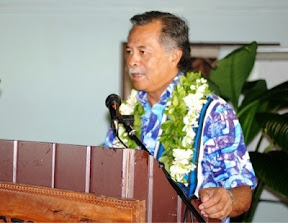
Cook Islands: 100% Renewable Energy by 2020

5 July 2011, Rarotonga Cook Islands – The Cook Islands has an electricity target of 50% renewable energy by 2015 and 100% by 2020. While this may seem like an extreme target, according to the Prime Minister of the Cook Islands Hon. Henry Puna – “it is ambitious but it is not impossible


Plans are already underway to bring this to fruition.

The Cook Islands will be launching their Renewable Energy Chart this year – Te Atamoa O Te Uira Natura, the plan that outlines how they will achieve their renewable energy targets. This chart has undergone consultation with relevant stakeholders and has taken into account input from numerous supporting partners. It is now in the process of being finalised for endorsement.

“It is flexible to take into account possible changes which may happen, as well as addressed the long term concerns – for example the outer island of Aitutaki now has a peak demand for electricity of 900 kilowatts,” said Repeta Puna, the Policy Adviser from the Office of the Prime Minister.

“In Te Atamoa O Te Uira Natura we have planned for a two megawatt solar plant for Aitutaki to take into account the future demand for electricity.”
More >>>

Location: Cayman Islands

CCCCC and EU Sign Agreement to Support Caribbean Forum Countries in Meeting Climate Change Challenges

4 July 2011: The Caribbean Community Climate Change Centre (CCCCC) and the EU have entered into an agreement to, among other things, support Caribbean Forum (CARIFORUM) countries in meeting the challenges of climate change.


Under the agreement, the EU has allocated €8 million to support 17 CARIFORUM countries to meet the challenges of climate change. The four-year project will be managed by the CCCCC, with the objective of developing and strengthening the Caribbean region’s efforts in reducing the impacts of climate change on its economic and social development. The overall objective of the project is to support the sustainable development efforts of the Caribbean region and preserve the progress of the countries towards the attainment of the Millennium Development Goals (MDGs), by, inter alia: enhancing national and regional institutional capacity in areas such as climate monitoring, data retrieval and the application of space-based tools for disaster risk reduction (DRR); building regional and national capacity to access carbon financing; and implementing adaptation pilot projects that may be subsequently replicated. [CCCCC Press Release]

Location: Cayman Islands

Tuesday, July 12, 2011

World on the Edge by the Numbers – Shining a Light on Energy Efficiency

Our inefficient, carbon-based energy economy threatens to irreversibly disrupt the Earth’s climate.


Averting dangerous climate change and the resultant crop-shrinking heat waves, more-destructive storms, accelerated sea level rise, and waves of climate refugees means cutting carbon emissions 80 percent by 2020.

The first key component of the Earth Policy Institute’s climate stabilization plan is to systematically raise the efficiency of the world energy economy. One of the quickest ways to increase efficiency, cut carbon emissions, and save money is simply to change light bulbs.

Some 19 percent of world electricity demand goes to lighting. The carbon emissions generated by this sector equal roughly 70 percent of those produced by the global automobile fleet.

Of the 3,400 terawatt-hours of electricity consumed annually by the world’s light fixtures, more than 40 percent is used by commercial buildings, including offices, retail businesses, schools, and hospitals. Close to one third is used in the home; 18 percent in industrial buildings; and the remaining 8 percent in outdoor applications, such as lights at traffic stops and in parking lots. More >>>

Location: Cayman Islands

Monday, July 11, 2011

Political Sustainability and Human Security

Economic Revival Requires a Revival of our National Community


New York - As the nation's debt deadline approaches, and the political and media gamesmanship in our nation's capital increases in intensity, I find myself thinking more and more about community. The value with which we hold each other, and our relationship to those with whom we share our living space. The political parties blame each other for the stubborn persistence of unemployment, now over 9% officially and over 16% when we count those who have given up on the job market or are underemployed.

The Republicans blame the declining economy on over-taxation. The Democrats blame job loss on Republican resistance to additional stimulus. Twice this year the Republicans have been willing to "play chicken" with the President and the nation's well being: first over the budget by threatening a government shutdown, and now by holding the entire economy hostage while threatening to default on our debt. Ideology is dominating debates that should be settled by data, not wishful thinking. People in America need work. Our community has work that needs to be done. It's time to close that loop.

The creation of a global economy and communication network has placed the American economy and our society in uncharted territory. We do not really understand the complex economic, political, ecological, social and cultural forces that drive the world economy. We don't really know the answers to the problems we face. Like FDR during the New Deal we need to pragmatically experiment. We need to learn what works and what doesn't. What collective community responses are needed? What private entrepreneurial forces need to be unleashed? In March of 1933, as FDR assumed the Presidency in the depths of the Great Depression, some of his speeches and articles were collected in a book entitled Looking Forward. At the dawn of the New Deal, Roosevelt wrote:
"The country needs and, unless I mistake its temper, the country demands bold, persistent experimentation. It is common sense to take a method and try it; if it fails, admit it frankly and try another. But above all, try something." Franklin D. Roosevelt, Looking Forward, chapter 2, p. 51 (1933). More >>>

Going forward into this century all states need to have all political parties work together for the benefit of their country and people. To deal with the perfect storm that we are faced with, climate change, sea level rise, energy shortages, and a rapidly rising population it is imperative that political stalemate becomes a thing of the past. Editor

Location: Cayman Islands

Tuesday, July 5, 2011

UNEP-Risoe Launches Technology Transfer Publication Series

29 June 2011: The UN Environment Programme (UNEP)-Risoe Centre has announced the launch of a new publication series titled "Technology Transfer Perspectives," which aims to stimulate debate and information sharing on technology transfer among academics, experts, policy makers, practitioners and other stakeholders, and will include mitigation and adaptation-side approaches.


The first edition of the series, titled "Diffusion of renewable energy technologies: case studies of enabling frameworks in developing countries," will be complete in time for the 17th session of the Conference of the Parties (COP 17) to the UNFCCC in Durban, South Africa, at the end of 2011.

The first four articles of this first edition are available: FIT for use everywhere? Assessing experiences with renewable energy feed-in tariffs, by James Haselip, UNEP Risoe Centre, Denmark; Bioenergy in India: Barriers and Policy Options, by Darshini Ravindranath and Srinivas Shroff Nagesha Rao, UN Development Programme (UNDP) India; Enabling Environment and Policy Principles for Replicable Technology Transfer: Lessons from Wind Energy in India, by Emi Mizuno, Climate Strategies, UK; and An enabling framework for wind power in Colombia: What are the lessons from Latin America? by Isaac Dyner, Yris Olaya and Carlos Franco, Universidad Nacional de Colombia.

According to the articles, an effective enabling environment for technology diffusion requires consideration of the market, as opposed to projects specifically. [Publication: Technology Transfer Perspectives Series]

Location:Cayman Islands

Warming Ocean Layers Will Undermine Polar Ice Sheets, Climate Models Show

Warming of the ocean's subsurface layers will melt underwater portions of the Greenland and Antarctic ice sheets faster than previously thought, according to new University of Arizona-led research. Such melting would increase the sea level more than already projected.


The research, based on 19 state-of-the-art climate models, proposes a new mechanism by which global warming will accelerate the melting of the great ice sheets during this century and the next.

The subsurface ocean layers surrounding the polar ice sheets will warm substantially as global warming progresses, the scientists found. In addition to being exposed to warming air, underwater portions of the polar ice sheets and glaciers will be bathed in warming seawater.

The subsurface ocean along the Greenland coast could increase as much as 3.6 °F (2 °C) by 2100.

"To my knowledge, this study is the first to quantify and compare future ocean warming around the Greenland and the Antarctic ice sheets using an ensemble of models," said lead author Jianjun Yin, a UA assistant professor of geosciences.

Most previous research has focused on how increases in atmospheric temperatures would affect the ice sheets, he said.

"Ocean warming is very important compared to atmospheric warming because water has a much larger heat capacity than air," Yin said. "If you put an ice cube in a warm room, it will melt in several hours. But if you put an ice cube in a cup of warm water, it will disappear in just minutes."
Full Article >>>

Location:Cayman Islands

CCCCC Update Takes Stock of Bonn Climate Change Conference

28 June 2011: The Caribbean Community Climate Change Centre (CCCCC) has published the 10th issue of its monthly Climate Change News Update, which compiles international and regional climate change-related news.


The issue features an article on the lack of agreement on key areas at the Bonn climate change talks, held from 6-17 June 2011 in Bonn, Germany.

The Update also highlights statements made by developing country officials and non-governmental organizations (NGOs) that developed countries have not provided the US$30 billion of climate financing they pledged at the Copenhagen Climate Change Conference in December 2009. The Update further reports on the announcements by Norway and Germany that they would provide US$50 million and €30 million, respectively, to the World Bank Carbon Fund, to help slow tropical deforestation, one of the major causes of climate change.

The issue also compiles regional news on climate change, including warnings by regional experts that Caribbean States are likely to fall into perpetual recession as a result of the impacts of climate change on their tourism and agriculture industries. Other news includes US Secretary of State Hillary Rodham Clinton’s announcement of new programmes to support Caribbean States’ priorities, and discussions between Guyanese President Bharrat Jagdeo and German leaders and senior officials, which focused on the need for sustained political action on climate change. [Publication: Climate Change News Update Issue 10]

Location:Cayman Islands

Saturday, July 2, 2011

Why Climate Change Requires A Consciousness Change

Einstein famously said that we cannot solve problems with the same level of perception that created them.


We have to step up to a higher and more inclusive level of seeing what is going on in order to understand and solve great challenges. Certainly climate disruption represents one of the greatest tests humanity has ever faced because it is a much higher level problem than the actions which have created it: countless local actions (driving cars, running factories, etc.) have produced global consequences that respect no national boundaries and that imperil our collective future.

Here is how James Speth, former head of the Council on Environmental Quality and a top Washington policy maker, describes the up-leveling of perception required: "I used to think the top environmental problems facing the world were global warming, environmental degradation, and eco-system collapse.. but I was wrong. The real problem is not those three items, but greed, selfishness and apathy. And for that we need a spiritual and cultural transformation." The transformation that Speth speaks about is a shift to a higher level of attention and seeing the world from a more objective vantage point with a witnessing or reflective consciousness.

Simply stated, what is required is a shift from an "embedded consciousness" that is locked inside the habits of our thinking mind to a more spacious "reflective consciousness" that enables us to become a fair witness or objective observer of our lives. This does not mean we stop thinking; instead, we stand back and, without judgment, simply watch what we are thinking and how we are relating to both the world and ourselves.
Full Article >>>

Location: Cayman Islands

Warming Oceans Cause Largest Movement of Marine Species in Two Million Years

Warming ocean waters are causing the largest movement of marine species seen on Earth in more than two million years, according to scientists.


Warming ocean waters are causing the largest movement of marine species seen on Earth in more than two million years, according to scientists. (AP Photo/Guillermo Arias, file)
In the Arctic, melting sea ice during recent summers has allowed a passage to open up from the Pacific ocean into the North Atlantic, allowing plankton, fish and even whales to into the Atlantic Ocean from the Pacific.

The discovery has sparked fears delicate marine food webs could be unbalanced and lead to some species becoming extinct as competition for food between the native species and the invaders stretches resources.

Rising ocean temperatures are also allowing species normally found in warmer sub-tropical regions to into the northeast Atlantic.

A venomous warm-water species Pelagia noctiluca has forced the closure of beaches and is now becoming increasingly common in the waters around Britain.

The highly venomous Portuguese Man-of-War, which is normally found in subtropical waters, is also regularly been found in the northern Atlantic waters. Full Article >>>

Location: Cayman Islands
Saturday, June 25, 2011

If The Sea Is In Trouble, We Are All In Trouble

The report that the ocean is in trouble is no surprise. What is shocking is that it has taken so long for us to make the connection between the state of the ocean and everything we care about – the economy, health, security – and the existence of life itself.


If the ocean is in trouble – and it is – we are in trouble. Charles Clover pointed this out in The End of the Line, and Callum Roberts provided detailed documentation of the collapse of ocean wildlife – and the consequences – in The Unnatural History of the Sea.

Since the middle of the 20th century, more has been learned about the ocean than during all preceding human history; at the same time, more has been lost. Some 90 per cent of many fish, large and small, have been extracted. Some face extinction owing to the ocean's most voracious predator – us.

We are now appearing to wage war on life in the sea with sonars, spotter aircraft, advanced communications, factory trawlers, thousands of miles of long lines, and global marketing of creatures no one had heard of until recent years. Nothing has prepared sharks, squid, krill and other sea creatures for industrial-scale extraction that destroys entire ecosystems while targeting a few species. More >>>

Location: Cayman Islands

Friday, June 24, 2011

Why Localisation Is A Key Part Of The Answer

Last week it emerged that the Department of Energy and Climate Change, whose official position remains that "we do not have any contingency plans specific to a peak in oil production", was actually stating in internal documents released under the Freedom of Information Act that "it is not possible to predict with any accuracy exactly when or why oil production will peak".


Energy bills are going nowhere other than up, with knock-on effects across the economy. The fossil fuels of the future will be dirtier, more expensive and from less accessible places. At the same time, the need to decarbonise is urgent. The world's carbon emissions increased in 2010 by a record amount, in spite of many of the world's economies being in recession, and 19 countries recorded their hottest ever temperatures.

In March, Mervyn King, Governor Bank of England, said: "This is not like an ordinary recession where you lose output and get it back quickly. You may not get it back for many years, if ever, and that is a big, long-run loss of living standards for all people in this country." When something isn't working, it behoves us to question whether a different approach might be more appropriate.

One such approach, spreading around the world with great vigour, is the Transition movement. It suggests that within the challenges of peak oil, climate change, and our economic troubles lies a huge opportunity. In the same way that vast amounts of cheap fossil fuels made globalisation possible, the end of the age of cheap oil will inevitably put globalisation into reverse. More >>>

Location: Cayman Islands

Thursday, June 23, 2011

Groundwater Depletion Rate Accelerating Worldwide

ScienceDaily — In recent decades, the rate at which humans worldwide are pumping dry the vast underground stores of water that billions depend on has more than doubled, say scientists who have conducted an unusual, global assessment of groundwater use.


These fast-shrinking subterranean reservoirs are essential to daily life and agriculture in many regions, while also sustaining streams, wetlands, and ecosystems and resisting land subsidence and salt water intrusion into fresh water supplies. Today, people are drawing so much water from below that they are adding enough of it to the oceans (mainly by evaporation, then precipitation) to account for about 25 percent of the annual sea level rise across the planet, the researchers find.

Soaring global groundwater depletion bodes a potential disaster for an increasingly globalized agricultural system, says Marc Bierkens of Utrecht University in Utrecht, the Netherlands, and leader of the new study.
More >>>

Location: Cayman Islands

Wednesday, June 22, 2011

Summary Of The UNCSD Subregional Preparatory Meeting For The Caribbean 20 JUNE 2011

The United Nations Conference on Sustainable Development (UNCSD) Rio+20 Subregional Preparatory Meeting for the Caribbean convened at the Caribbean Community (CARICOM) Headquarters in Georgetown, Guyana, on Monday, 20 June 2011.


Over 50 participants, including representatives from governments, UN bodies, and non-governmental and inter-governmental organizations attended.

The meeting generated Caribbean inputs in preparation for the UNCSD in June 2012. Participants discussed creating a green economy in the context of sustainable development and poverty eradication, the need for a blue economy addressing oceans and related issues, the institutional framework for sustainable development (IFSD), and emerging issues and partnerships.

Participants recognized that there is much work to be done in the lead-up to UNCSD and little time to do it. They identified the value and benefits in engaging in the process and the opportunities that it represents, particularly in regard to the green economy. The meeting generated interest and momentum within the Caribbean subregion, which promise to lead to further discussions over the coming weeks and months. More >>>

Location: Cayman Islands

Al Gore Blasts Obama On Climate Change For Failing To Take 'Bold Action'

Former Vice President Al Gore is going where few environmentalists – and fellow Democrats – have gone before: criticizing President Barack Obama's record on global warming.


In a 7,000-word essay for Rolling Stone magazine that will be published Friday, Gore says Obama has failed to stand up for "bold action" on global warming and has made little progress on the problem since the days of Republican President George W. Bush. Bush infuriated environmentalists for resisting mandatory controls on the pollution blamed for climate change, despite overwhelming scientific evidence that the burning of fossil fuels is responsible.

While Gore credits Obama's political appointees with making hundreds of changes that have helped move the country "forward slightly" on the climate issue, and acknowledges Obama has been dealing with many other problems, he says the president "has simply not made the case for action."
More >>>

Location: Cayman Islands

Saturday, June 18, 2011

The Shrinking Pie: Post-Growth Geopolitics

Post-Growth Geopolitics


As nations compete for currency advantages, they are also eyeing the world’s diminishing resources—fossil fuels, minerals, agricultural land, and water. Resource wars have been fought since the dawn of history, but today the competition is entering a new phase.

Nations need increasing amounts of energy and materials to produce economic growth, but—as we have seen—the costs of supplying new increments of energy and materials are increasing. In many cases all that remains are lower-quality resources that have high extraction costs. In some instances, securing access to these resources requires military expenditures as well. Meanwhile the struggle for the control of resources is re-aligning political power balances throughout the world.

The U.S., as the world’s superpower, has the most to lose from a reshuffling of alliances and resource flows. The nation’s leaders continue to play the game of geopolitics by 20th century rules: They are still obsessed with the Carter Doctrine and focused on petroleum as the world’s foremost resource prize (a situation largely necessitated by the country’s continuing overwhelming dependence on oil imports, due in turn to a series of short-sighted political decisions stretching back at least to the 1970s). The ongoing war in Afghanistan exemplifies U.S. inertia: Most experts agree that there is little to be gained from the conflict, but withdrawal of forces is politically unfeasible. More >>>

This article is the part 6 from Chapter 5 of Richard Heinberg's new book 'The End of Growth', which is set for publication by New Society Publishers in August 2011. This chapter 'Shrinking Pie: Competition and Relative Growth in a Finite World' looks in greater depth at the prospects for further development in in an increasingly resource strained environment.

Location: Cayman Islands

Friday, June 17, 2011

A Perfect Storm for Hunger: New Oxfam report tackles broken food system

The global food system is broken,” reads a new report from Oxfam International.


While much of Growing a Better Future: Food Justice in a Resource-Constrained World essentially reviews the major factors that contribute to food insecurity, Oxfam’s call to transform the food system is certainly timely, given this year’s high food prices (blamed in part for inflaming popular revolts in the Middle East) and fears of another global food crisis.

Despite producing enough food for everyone, one in seven people globally face chronic under-nutrition and almost one billion people are food insecure. Hunger is concentrated within rural areas in developing countries, and within families, women are often disproportionally affected, having serious implications for maternal and child health.

“We face three interlinked challenges in an age of growing crisis: feeding nine billion without wrecking the planet; finding equitable solutions to end disempowerment and injustice; and increasing our collective resilience to shocks and volatility,” write the authors of the report. More >>>


Location: Cayman Islands

Thursday, June 16, 2011

What Will Climate Change and Sea Level Rise Mean for Barrier Islands?

ScienceDaily (June 16, 2011) — A new survey of barrier islands published earlier this spring offers the most thorough assessment to date of the thousands of small islands that hug the coasts of the world's landmasses.


The study, led by Matthew Stutz of Meredith College, Raleigh, N.C., and Orrin Pilkey of Duke University, Durham, N.C., offers new insight into how the islands form and evolve over time -- and how they may fare as the climate changes and sea level rises.

The survey is based on a global collection of satellite images from Landsat 7 as well as information from topographic and navigational charts. The satellite images were captured in 2000, and processed by a private company as part of an effort funded by NASA and the U.S. Geological Survey.

During the 20th century, sea level has risen by an average of 1.7 millimeters (about 1/16 of an inch) per year. Since 1993, NASA satellites have observed an average sea level rise of 3.27 millimeters (about 1/8 of an inch) per year. A better understanding of how climate change and sea level rise are shaping barrier islands will also lead to a more complete grasp of how these dynamic forces are affecting more populated coastal areas.

Stutz, the study's lead author, highlighted a series of key findings from the new survey during an interview with a NASA science writer. More >>>

Location: Cayman Islands

Wednesday, June 15, 2011

Joint Efforts to Map Water Levels Across Arab Countries

June 9, 2011—Across and within Jordan, Tunisia, Morocco and Lebanon, water levels in reservoirs and rivers, rainfall patterns and soil moisture will be mapped by satellites high overhead.


This new view of water systems will allow leaders to monitor local and regional drought and flood conditions, track evaporation from lakes and reservoirs, and even estimate future water supplies and crop yields.
This new project, financed by the World Bank’s Global Environmental Facility, is the first in a series of investments under the Arab World Initiative approved by the World Bank Board of Directors.

In the past, information on water has come from people and equipment on the ground. But collecting data in the field is often expensive and difficult to gather and verify. Satellite images can provide a unique view, across mountains and borders, and provide it almost instantly.

Not Enough Water-20% Less
Water supplies have a major impact on agriculture and the environment. A steady water supply is also essential for city life. Cities are growing in size and population throughout the region. And, because of climate change, experts predict an increasingly dry future. The Intergovernmental Panel on Climate Change estimates that rainfall in many parts of the region will decrease by over 20% during the next century. More >>>

Location: Cayman Islands

Tuesday, June 14, 2011

Editorial: Mr. President - Are you insane or just blind.

With the greatest respect I would like to ask all world leaders "Are you insane or just blind?"


The world is beset by a perfect storm of peak oil, climate change and an out of control population. all of which are potential conflict triggers.

The high cost and apparently constrained supplies of petroleum are causing blackouts, rolling brownouts and falling productivity in over fifty countries around the globe as I write this.

Climate change has the potential, given the expected rise in average global temperatures, to raise sea level by one metre by the end of the century, inundating islands, coastal plains and deltas around the globe.

Changes in rainfall patterns along with the melting of glaciers could disrupt food production in many of the worlds most populous countries causing famine. Droughts are now evident in states around the world. China is building canal over 1700 kilometers long in an attempt to bring water to water stressed northern areas of the country. Agriculture accounts for at least 70% of a countries water usage. South Asia which is home to well over one fifth of the world's population, is dependent on the seasonal monsoon rains for much of their food production as well as glacial melt water which is the source of the major rivers in the region. As temperatures rise the glaciers will melt, and if the rainfall patterns change millions may perish.

We could see refugee flows the likes of which have never been seen in recorded history, caused by any or all of the above scenarios. Climate Change Refugees will flow from areas of famine to areas where there is food. They will do so legally or illegally and they will be forced to do so even if it costs them their life.

No country can mitigate or adapt to the coming changes on its own. The only way that the human race can survive with a reasonably tolerable level of civilization is by working together. We no longer have time for political bickering, posturing or arguing within states or between states.

The time is now. We have to protect the major portions of the global commons, the atmosphere, the oceans, the biosphere. Humans need these to survive, we need the plants, the animals, the insects. We are dependent on all of it, we cannot survive without a healthy planet.

We are today, more than at any time in the history of the human race, our brothers and sisters keepers.

The Editor


Location: The Cayman Islands

Monday, June 13, 2011

The Karma of Electric Vehicles

MALIBU, California, June 9, 2011 (ENS) - Large environmental problems like the ongoing Fukushima nuclear catastrophe and the effects of the BP Deepwater Horizon Oil Spill in the Gulf of Mexico still occupy center stage, but an even bigger solution to the planet's environmental woes is rapidly approaching.


Vehicle electrification can ease dependence on polluting petroleum that is heating up the planet, yet many people are not fully informed on how electric vehicles will fit into their lives. One information gap is public understanding of the important fit between electric vehicles and the smart grid.

A game-changing research paper that addresses this gap, "Vehicle Electrification: Status and Issues," has just been published by the Institute of Electrical and Electronics Engineers in the special Smart Grid issue of the Proceedings of the IEEE. It shows how to change the energy equation and serves as a reference source to understand electric vehicles from a whole systems perspective. More >>>

Location: Cayman Islands

Thursday, June 9, 2011

Climate change: major impacts on water for farming

New FAO survey sums up current scientific understanding of impacts, highlights knowledge gaps and areas for attention


Rome - Climate change will have major impacts on the availability of water for growing food and on crop productivity in the decades to come, warns a new FAO report.

Climate Change, Water, and Food Security is a comprehensive survey of existing scientific knowledge on the anticipated consequences of climate change for water use in agriculture.

These include reductions in river runoff and aquifer recharges in the Mediterranean and the semi-arid areas of the Americas, Australia and southern Africa -- regions that are already water-stressed. In Asia, large areas of irrigated land that rely on snowmelt and mountain glaciers for water will also be affected, while heavily populated river deltas are at risk from a combination of reduced water flows, increased salinity, and rising sea levels.

Additional impacts described in the report:

An acceleration of the world’s hydrological cycle is anticipated as rising temperatures increase the rate of evaporation from land and sea. Rainfall will increase in the tropics and higher latitudes, but decrease in already dry semi-arid to mid-arid latitudes and in the interior of large continents. A greater frequency in droughts and floods will need to be planned for but already, water scarce areas of the world are expected to become drier and hotter.

Even though estimates of groundwater recharge under climate change cannot be made with any certainty, the increasing frequency of drought can be expected to encourage further development of available groundwater to buffer the production risk for farmers.

And the loss of glaciers - which support around 40 percent of the world’s irrigation -- will eventually impact the amount of surface water available for agriculture in key producing basins

Increased temperatures will lengthen the growing season in northern temperate zones but will reduce the length almost everywhere else. Coupled with increased rates of evapotranspiration this will cause the yield potential and water productivity of crops to decline.

"Both the livelihoods of rural communities as well as the food security of city populations are at risk" said FAO Assistant Director General for Natural Resources, Alexander Mueller. "But the rural poor, who are the most vulnerable, are likely to be disproportionately affected". More >>>

Location: Cayman Islands

Wednesday, June 8, 2011

Redefining Marine Territories in a Changing World

From a purely territorial perspective, these are bullish times for the world's oceans.


As anthropogenic climate change picks up pace, seas around the world are rising, due to thermal expansion and the melting of alpine glaciers and arctic ice sheets; according to most scientists, by at least a meter by the year 2100.
As a result, low-lying coastal areas around the world, and in several cases entire island nations, are expected to be reclaimed by the sea. Global sea level rise complicates the resolution of questions that have presented geopolitical difficulties for centuries: who owns the sea, and how much of it do they own? According to the UN Convention on the Law of the Sea (UNCLOS), concluded in 1982, countries have exclusive control over their seabed materials out to the extent of their continental shelf (but with a minimum of 200, and maximum of 350, Nautical miles from their coastline). In addition, they have broader control over marine resources (including, crucially, fishing stocks) in an Exclusive Economic Zone (EEZ) extending 200 nautical miles from the low-water mark on their coastlines. More >>>

Location: Cayman Islands

Sustainable development must be as much blue as it is green

Seychelles' Permanent Representative to the United Nations, Ambassador Ronny Jumeau, has reminded a United Nations debate on the pathway to sustainable development that the world's oceans, coasts, and small island countries must be included in the concept of a green economy.


Speaking at the informal debate in the UN General Assembly on the challenges of the green economy held on June 2, Amb. Jumeau stressed that what the small island developing states (SIDS) described as a "blue economy" must be part and parcel of the concept, definition, and development of a climate- and environment-friendly green economy.

"This is something we in the small islands talk about a lot but do not hear about enough," Ambassador Jumeau said, “We cannot build a new eco-friendly and sustainable world economy without factoring in and caring for the oceans, which would require integrating the SIDS.”

He later explained that the push by the SIDS for the "blue" economy to be incorporated within the concept of the global green economy is essentially to ensure that the oceans and marine resources, and consequently the small islands as large ocean territories, are not forgotten or left behind. More >>>

Location: Cayman Islands

Monday, June 6, 2011

Countries get guidance on climate change financing

NEW YORK, United States, Friday June 3, 2011 – The United Nations Development Programme (UNDP) has launched a guidebook that provides advice to decision-makers in developing countries, like those in the Caribbean, on how to tap into growing environmental finance markets as funding becomes increasingly available to tackle the challenges of climate change.


The guidebook, entitled “Catalysing Climate Finance,” draws on UNDP’s experience managing hundreds of climate projects in 140 countries over the past two decades. It contains step-by-step guidance for identifying and implementing a mixture of public policies and funding instruments to raise climate finance.

“In the absence of effective capacity building and appropriate advisory services, there’s a significant risk that only a few emerging economies will fully benefit from these positive developments,” UNDP Associate Administrator Rebeca Grynspan said yesterday.

“By some estimates around 90 percent of investments in clean energy go to G20 [Group of 20 economies] countries and the remaining 10 percent go to the rest of the world.” More >>>

Location: Cayman Islands

Saturday, June 4, 2011

Climate to wreak havoc on food supply, predicts repor

Some areas in the tropics face famine because of failing food production, an international research group says.


The Climate Change, Agriculture and Food Security (CCAFS) predicts large parts of South Asia and sub-Saharan Africa will be worst affected.

Its report points out that hundreds of millions of people in these regions are already experiencing a food crisis.

"We are starting to see much more clearly where the effects of climate change on agriculture could intensify hunger and poverty," said Patti Kristjanson, an agricultural economist with the CCAFS initiative that produced the report.

A leading climatologist told BBC News that agriculturalists had been slow to use global climate models to pinpoint regions most affected by rising temperatures.

This report is the first foray into the field by the CCAFS initiative. To assess how climate change will affect the world's ability to feed itself, CCAFS set about finding hotspots of climate change and food insecurity.

Focusing their search on the tropics, the researchers identified regions where populations are chronically malnourished and highly dependent on local food supplies.

Then, basing their analysis on the climate data amassed by the United Nations Intergovernmental Panel on Climate Change (IPCC), the team predicted which of these food-insecure regions are likely to experience the greatest shifts in temperature and precipitation over the next 40 years.
More >>>

Location: Cayman Islands

Friday, June 3, 2011

Event: 2nd World Congress on Cities and Adaption to Climate Change

The Resilient Cities 2011 congress is being held in Bonn, Germany 3 - 5 June.


The Resilient Cities 2011 official website is: resilient-cities.org/bonn2011
The Resilient Cities 2011 congress will be documented on their website. Here you can find all resources and information (photos, speeches, press releases) available for download*. More >>>

Location: Cayman Islands

The Peak Oil Crisis: An Announcement

With little fanfare, a press release appeared last week on the website of the UK Industry Taskforce on Peak Oil and Energy Security (ITPOES).


The release said that during a meeting between Chris Huhne, the UK's Secretary of State for Energy and Climate Change, and representatives of ITPOES, an agreement had been reached that Her Majesty's Department for Energy and Climate will collaborate with ITPOES on a joint examination of concerns that global oil supply will begin to fall behind demand within as little as five years. This collaboration is seen by the British government as the first step in the development of a national peak oil contingency plan.
There are many implications buried in this seemingly innocuous announcement.

First, American readers should note that the British government recognizes that energy policy and climate change are inextricably linked so that you cannot formulate policies for one without the other. The major step forward, however, is the official and semi-public recognition by a major government that global oil supplies will fall behind demand in as little as five years. After years of official denial this is indeed a breakthrough worthy of note.


Gone is the rhetoric about the billions of barrels of oil remaining that will last for so many decades that nobody alive today needs to worry. Official recognition has been given to the concept that the remaining oil will be so expensive to extract or will be locked into the earth by intractable political disputes, so that it simply will not be available in the unlimited quantities or at the prices we have known for the last 100 years.
Also implicit in the announcement is that ever-rising real energy costs will destabilize nearly all of the world's economies and that economic growth in the form we have come to know it will no longer be possible.

Location: Lawrence Bl, Cayman Islands

Editorial: Global Energy Shortages

I have just looked at my RSS News Feed under the heading of Energy Shortages and noticed that there are fifty-eight articles from around the world this morning.


These range from utilities in China that are financially struggling to rolling blackouts in Venezuela and Pakistan, to South Africa seeking to cut power consumption by thirteen percent.
This is a world-wide problem, Russia has banned the export of gasoline, which prompted Russian Prime Minister Vladimir Putin to ban exports of refined petroleum products late last month, especially as the country gears up for State Duma elections in December and Presidential elections in the spring of 2011. In Karachi, Pakistan a protester was killed demonstrating against load shedding.


It may just be my imagination but I detect a global trend in all these reports which only reinforces the theory of Peak Oil.

In the Cayman Islands households are billed monthly, with a breakdown between electricity consumed and the cost of fuel used to generate the consumed amount of electricity shown on the invoice. I have people telling me on a daily basis that their fuel charge is more than the electrical charge.

If oil is abundant as OPEC claims why are so many stares globally having these overwhelming energy shortages? One could argue that it is the financial aspect of obtaining petroleum products that is to blame. However, one must ask why the price is escalating. Could it possible be a supply and demand situation?
It really does not matter wether it is unaffordable or unattainable it still leads to a shortage of electricity for all of us. It is therefore time to push of governments and legislators to take the necessary steps to enable the introduction of renewable sources of energy such as solar, wind and ocean thermal conversion.

Location: Cayman Islands

Thursday, June 2, 2011

Time For Obama To Say No To The Fossil Fuel Wish List

In our globalized world, old-fashioned geography is not supposed to count for much: mountain ranges, deep-water ports, railroad grades -- those seem so nineteenth century. The earth is flat, or so I remember somebody saying.


But those nostalgic for an earlier day, take heart. The Obama administration is making its biggest decisions yet on our energy future and those decisions are intimately tied to this continent’s geography. Remember those old maps from your high-school textbooks that showed each state and province’s prime economic activities? A sheaf of wheat for farm country? A little steel mill for manufacturing? These days in North America what you want to look for are the pickaxes that mean mining, and the derricks that stand for oil.

There’s a pickaxe in the Powder River Basin of Montana and Wyoming, one of the world’s richest deposits of coal. If we’re going to have any hope of slowing climate change, that coal -- and so all that future carbon dioxide -- needs to stay in the ground. In precisely the way we hope Brazil guards the Amazon rainforest, that massive sponge for carbon dioxide absorption, we need to stand sentinel over all that coal.

Doing so, however, would cost someone some money. At current prices the value of that coal may be in the trillions, and that kind of money creates immense pressure. Earlier this year, President Obama signed off on the project, opening a huge chunk of federal land to coal mining. It holds an estimated 750 million tons worth of burnable coal. That’s the equivalent of opening 300 new coal-fired power plants. In other words, we’re talking about staggering amounts of new CO2 heading into the atmosphere to further heat the planet. More >>>

Location: Cayman Islands

Cities Lead on Climate Problems, and Actions

New Report Analyzes Urban Areas Across the World..


Cities are emerging as most threatened by climate change, and as the first responders to it, says a new international report. The report, led by researchers at Columbia University and the City University of New York (CUNY), is the most comprehensive study to date detailing the risks cities face, and how they are preparing for impacts such as increased heat waves, drought and rising sea level. Authors from 50 cities looked at urban areas in Asia, Latin America, Africa, Europe and North America, doing in-depth analyses of Athens, Dakar, Delhi, Harare, Kingston, London, Melbourne, New York, São Paulo, Shanghai, Tokyo and Toronto.

Cities are now home to half the world’s population, the authors note. “This is a groundbreaking study that should serve as a wake-up call about the need to make cities a key focus of global climate change research and response efforts,” said Cynthia Rosenzweig, a climate impacts scientist at the NASA Goddard Institute for Space Studies and the Center for Climate Systems Research, part of the Earth Institute at Columbia University, who is one of the coeditors. Published by Cambridge University Press, the report was convened by the Urban Climate Change Research Network, a global coalition of researchers specializing in climate change from an urban perspective. The initiative was founded at the Earth Institute in 2007.
More >>>

Location:Sandalwood Crescent,George Town,Cayman Islands

Prospect of limiting the global increase in temperature to 2ºC is getting bleaker

CO2 emissions reach a record high in 2010; 80% of projected 2020 emissions from the power sector are already locked in.

Energy-related carbon-dioxide (CO2) emissions in 2010 were the highest in history, according to the latest estimates by the International Energy Agency (IEA).


After a dip in 2009 caused by the global financial crisis, emissions are estimated to have climbed to a record 30.6 Gigatonnes (Gt), a 5% jump from the previous record year in 2008, when levels reached 29.3 Gt.

In addition, the IEA has estimated that 80% of projected emissions from the power sector in 2020 are already locked in, as they will come from power plants that are currently in place or under construction today.

“This significant increase in CO2 emissions and the locking in of future emissions due to infrastructure investments represent a serious setback to our hopes of limiting the global rise in temperature to no more than 2ºC,” said Dr Fatih Birol, Chief Economist at the IEA who oversees the annual World Energy Outlook, the Agency’s flagship publication.

Global leaders agreed a target of limiting temperature increase to 2°C at the UN climate change talks in Cancun in 2010. For this goal to be achieved, the long-term concentration of greenhouse gases in the atmosphere must be limited to around 450 parts per million of CO2-equivalent, only a 5% increase compared to an estimated 430 parts per million in 2000. More >>>

Location: Cayman Islands